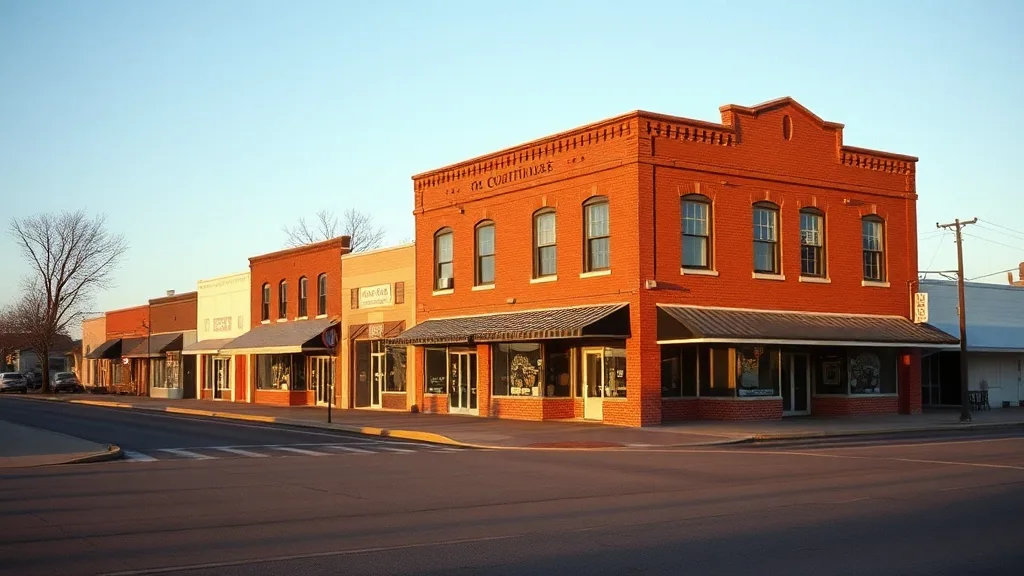
Contract to keys
Most people have done this twice in their life and the lender has done it four times this week, which is why the process feels like something happening to you. Here is the whole thing, in order, with who is responsible for each part.
-
Day 1
The contract lands
Your agent or your lender sends us the signed contract. We open a file, order the search and confirm the closing date is actually achievable. If it is not, you hear that on day one rather than on day twenty six.
- We do
- Open the file, confirm the legal description matches the address.
- You do
- Nothing yet.
-
Days 2–7
The search
We go back through the chain of ownership at the courthouse: deeds, mortgages, easements, mechanics liens, judgments, unpaid taxes, old oil and gas reservations, and the estate that was never properly closed in 1978. Rural Clinton County parcels are the interesting ones, because the descriptions were written by hand.
- We do
- Search, examine and write the commitment.
- You do
- Read the commitment when it arrives. Ask about anything on Schedule B.
-
Days 7–10
Curing what we found
Almost every file has something. A release never recorded, a deceased co-owner, a survey that does not match the deed, a divorce decree that awarded the house but never conveyed it. This is the part that moves closing dates, and the part where a local office earns its fee, because we know who to call.
- We do
- Chase releases, order affidavits, coordinate with the surveyor.
- You do
- Sign what we send you, promptly. This is the bottleneck.
-
Days 10–25
Lender, payoffs and figures
We collect the payoff on the seller's loan, the tax proration, the homeowners premium, the HOA dues if there are any, and the lender's closing instructions. Then we build the settlement statement and send it out ahead of time so nobody sees a number for the first time at the table.
- We do
- Balance the file with the lender, issue the statement early.
- You do
- Arrange your wire. Call us at a number you looked up yourself to verify it.
-
Closing day
The table
Forty five minutes for a cash purchase, an hour and a quarter with a loan. We read every document out loud in plain language before you sign it. Bring a driver's licence. Do not bring a personal check for anything over five hundred dollars.
- We do
- Notarize, disburse, record at the courthouse the same afternoon.
- You do
- Show up. Ask questions. Take the keys.
-
Weeks after
The policy
Your recorded deed comes back from the recorder and your owner's policy is issued. Put both somewhere you will find them. The policy has no expiry and it protects you for as long as you own the ground, and after that for as long as you warranted it.
- We do
- Return the recorded deed and issue the policy.
- You do
- Keep it. People need it decades later, and they always call us first.

What a chain of title actually looks like
This is a real shape, not a metaphor. A hundred and eighty acres north of town, traced from the original federal patent to the last conveyance. Nine links, two of them broken, both fixable.
- 1839United States to Josiah Hartwell, cash entry patent, 160 acres.
- 1871Hartwell to Hartwell, warranty deed between father and son.
- 1904Sheriff's deed following a tax suit. The first place a search has to slow down.
- 1928Right of way to the county for the road. Still burdening the north forty today.
- 1946Estate passes by will, no deed ever recorded. Break one.
- 1959Oil and gas rights reserved and never released. Break two.
- 1983Twenty acres split off. The description was written from a fence line, not a survey.
- 2007Mortgage recorded, satisfied in 2014, release recorded correctly.
- TodayUnder contract. Both breaks curable with affidavits and one recorded correction.
Nobody buys a title search because they want one. They buy it because a lender requires it, and then twice a decade it turns out to be the thing that saved the sale.

What it costs
Missouri title insurance premiums are filed rates and are based on the purchase price or loan amount, so they are the same wherever you close. Everything below the premium line is our fee, and those we publish.
| Item | Amount | Who normally pays |
|---|---|---|
| Owner's policy, $250,000 sale | $1,075 | Seller, by local custom |
| Lender's policy, simultaneous issue | $150 | Buyer |
| Closing fee | $425 | Split, unless the contract says otherwise |
| Search and examination | $225 | Seller |
| Recording, deed and deed of trust | $63 | Buyer |
| Wire out | $30 | Whoever is wired |
| Agricultural or multi-parcel search | From $400 | Quoted per file |
| Curative work beyond the ordinary | $150/hr | Quoted before we start |
We will not start billable curative work without telling you first what it will cost and what happens if you decline it.
Who calls this office
Buyers and sellers
Usually sent by an agent, sometimes not. You can choose your own title company in Missouri even when the contract names one. It is your fee.
Farmers and landowners
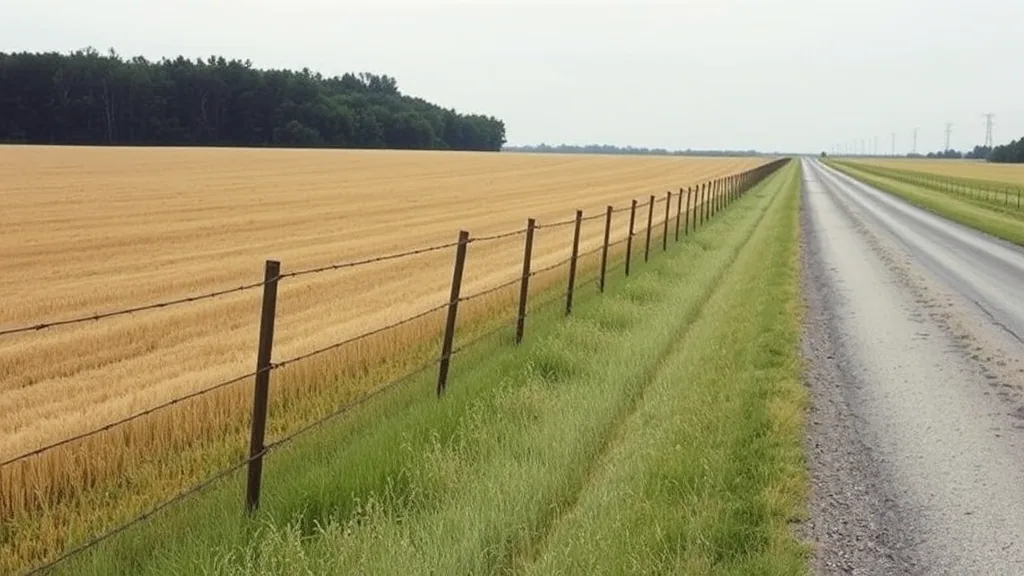
Splits, easements, boundary agreements, inherited ground with four siblings on the deed. Agricultural files are the ones we are actually known for.
Lenders and banks
Local bank refinances, construction draws, commercial files. We close on their forms and their timeline and we do not need to be reminded twice.
Attorneys
Probate transfers, quiet title actions, trust conveyances. We do the search, you do the law.
Investors
Tax sale certificates, auction purchases and anything bought sight unseen. Ask before the auction, not after.
People with an old problem
A relative died, a deed was never recorded, a company that once held a mortgage no longer exists. Bring what you have and we will tell you if it is fixable.
Before you come in
Wire fraud is the one thing that can cost you the whole purchase price, and it happens by email. We will never send you new wiring instructions by email, and we will never change them after the first set. If you receive instructions that look like they came from us, stop and telephone the number below, dialled from this page or from your own records, never from the email.
- An unexpired driver's licence or passport, for every person on the deed.
- Wired funds, or a cashier's check made out to Locust Street Land Title.
- The name and policy number of your homeowners insurance, if you are borrowing.
- Anyone who is signing. A spouse not on the loan usually still signs in Missouri.
The office
113 E Locust St, Plattsburg, MO 64477
Across the square from the courthouse.
- Monday to Thursday8:30 – 4:30
- Friday8:30 – 4:00
- Closings after hoursBy arrangement
- Saturday, SundayClosed
Parking on the square is free and never full. Come in the Locust Street door, not the alley door, which is the abstract room and is usually locked.